The Architect of Intimacy
In the high-stakes theater of Parisian couture, few moments possess the gravity to arrest time. Yet, when Pierpaolo Piccioli stepped into the helm of Balenciaga, the atmosphere shifted—not with a shout, but with a profound, resonant sigh. Having spent years refining the language of “quiet devastation” at Valentino, Piccioli faced the challenge of translating that delicate vernacular into the house of Cristóbal Balenciaga, an institution traditionally defined by its structural rigor and architectural severity.
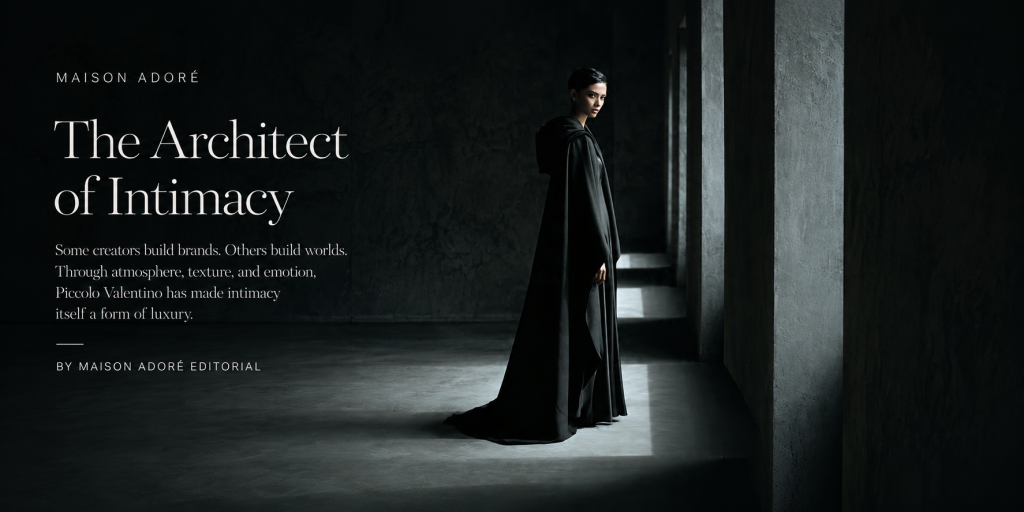
What unfolded was a masterclass in subversion. The collection did not merely clothe the body; it entered into a conversation with it. Where one expected the rigid, intimidating lines that are synonymous with the Balenciaga archives, Piccioli introduced a startling tenderness. Voluminous, structured black capes were imbued with a newfound fluidity, their silhouettes softened at the shoulder to suggest a gentle embrace rather than a barricade. Gowns that, by conventional logic, ought to have felt frigid and aloof were transformed into intimate expressions of the human spirit—a triumph of power dressed in the delicate fabric of emotion.
For the Maison Adoré Muse, this collection serves as a definitive validation of a core philosophy: the rejection of the binary choice between strength and vulnerability. Piccioli’s debut did not just redefine the aesthetic trajectory of the house; it articulated a modern form of armor. It reminded the world that, in the hands of a master, the most severe architecture can house the most profound intensity. The fifteen minutes that passed on the runway were more than a mere presentation; they were a reconfiguration of what it means to possess power in an age of feeling.