Business | World | Lifestyle
Remote Work Reshapes Cities as Urban Centers Face a New Reality
From New York to San Francisco and London, the long aftershocks of flexible work are changing office districts, residential demand, and the rhythm of urban life.
New York — March 27, 2026
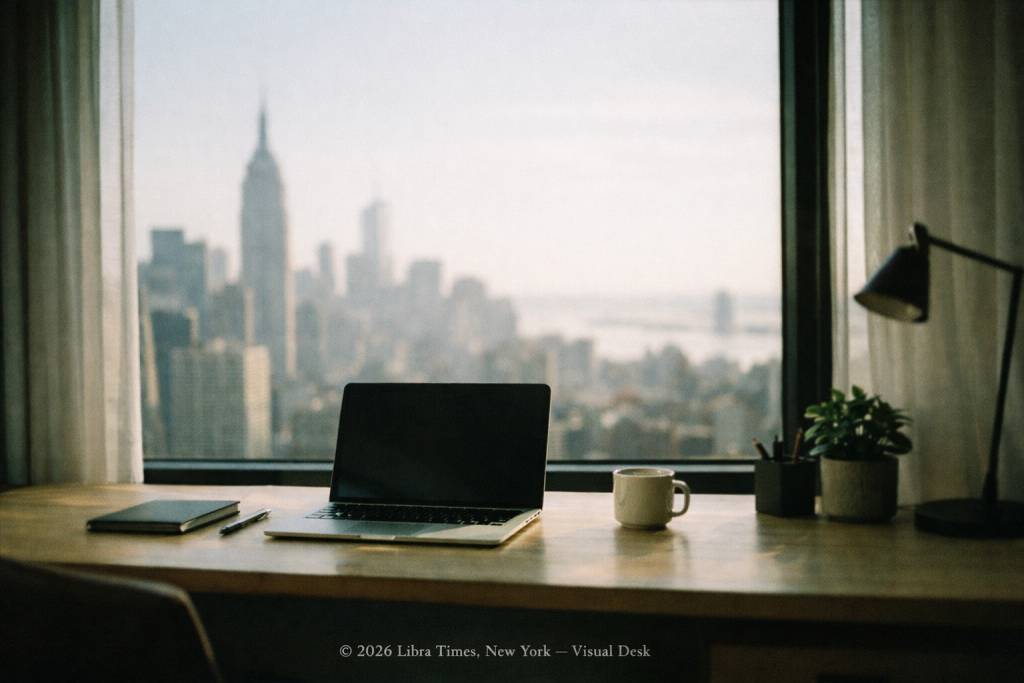
The shift toward remote and hybrid work continues to reshape major urban centers, with cities like New York, San Francisco, and London experiencing lasting changes in how people work, commute, and move through daily life.
In Midtown Manhattan, office occupancy remains below pre-2020 levels in some areas, while neighborhoods once sustained by weekday commuter traffic are adapting to a more uneven flow of workers and consumers. Similar patterns are visible across downtown San Francisco, where the technology sector’s embrace of hybrid work has contributed to elevated office vacancies.
Major companies, including Amazon and Google, have adopted work models that blend in-office collaboration with remote flexibility, helping redefine how employees structure their weeks and how often they return to centralized office space.
Residential priorities are shifting as well. Demand for home workspaces has risen as workers place a greater premium on comfort, flexibility, and reduced commuting time. In response, urban planners and policymakers are increasingly exploring whether underused office buildings can be converted into residential units or mixed-use developments that better reflect the new shape of urban life.
The transition has not unfolded evenly across every region or industry. Some sectors continue to rely heavily on in-person operations, while others have embraced a more decentralized model. Still, the broader direction is becoming more visible.
The traditional office-centered city is gradually giving way to a more distributed urban model — one shaped by technology, flexible work expectations, and changing ideas about where productivity and daily life should intersect.